
Material handling equipment plays a vital role in the safe, efficient movement of goods across Australian warehouses, factories, transport yards and construction sites. From loading pallets and shipping containers to working safely at height, the right equipment can dramatically improve productivity while reducing the risk of injuries, damage and downtime.
In Australia, businesses must also consider strict workplace safety regulations and compliance standards when selecting material handling equipment. This means choosing solutions that are not only practical and durable, but also fit for purpose and compliant with Australian Standards.
In this guide, we explain what material handling equipment is, explore the most commonly used types across Australian industries, and outline how to choose the right solution for your site. Whether you’re upgrading existing equipment or sourcing new material handling solutions, this article will help you make informed, confident decisions.
What Is Material Handling Equipment?
Material handling equipment refers to any equipment used to move, store, control or protect materials throughout manufacturing, warehousing, distribution and construction processes. This includes everything from simple attachments fitted to forklifts through to specialised ramps and work platforms designed for specific tasks.
Rather than relying solely on manual handling, which increases the risk of injury, material handling equipment allows loads to be moved safely, consistently and efficiently. For Australian businesses, this is especially important given workplace health and safety obligations and the high costs associated with lost time injuries.
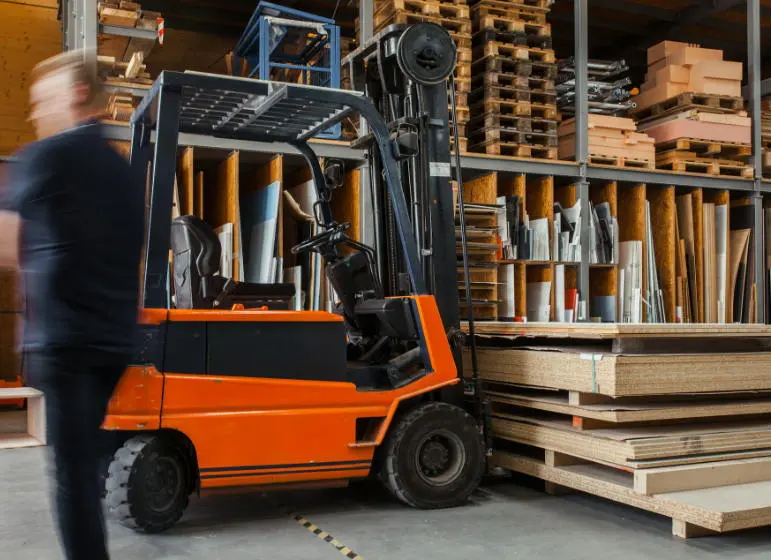
Why Material Handling Equipment Is Essential for Australian Businesses
Across industries such as logistics, manufacturing, agriculture and construction, material handling equipment helps businesses operate more efficiently while protecting workers. Using the correct equipment can reduce manual handling risks, improve workflow, and ensure compliance with WHS requirements.
In many cases, investing in purpose-built material handling solutions also extends the lifespan of forklifts and other machinery by ensuring they are used within their intended capabilities.
Common Types of Material Handling Equipment Used in Australia
Australian worksites use a wide range of material handling equipment, but some solutions are especially common due to their versatility and cost-effectiveness.
Forklift Attachments and Fork Extensions
Forklift attachments are among the most widely used material handling solutions in Australia. Fork extensions, in particular, allow forklifts to safely handle longer or oversized loads that would otherwise be unstable or unsafe.
Forklift fork extensions are commonly used in warehouses, timber yards, manufacturing facilities and freight depots where loads extend beyond standard fork lengths. When properly fitted, they improve load stability and reduce the risk of tipping or load damage.
Choosing the right forklift attachments requires careful consideration of load capacity, fork size and the specific tasks being performed. Poorly matched attachments can compromise safety and reduce the forklift’s rated capacity.
Shipping Container Ramps
Shipping container ramps are essential material handling equipment for businesses that regularly load and unload containers at ground level. These ramps provide a smooth transition between the ground and the container floor, allowing forklifts and pallet jacks to enter safely.
In Australia, container ramps are widely used in logistics hubs, regional warehouses, agricultural facilities and construction sites where fixed loading docks are not available. A well-designed ramp reduces strain on equipment, minimises load shifting and improves overall efficiency during loading and unloading operations.
Key considerations when selecting container ramps include load rating, ramp length, surface grip and compatibility with the forklifts being used.
Forklift Elevated Work Platforms
Forklift elevated work platforms are designed to safely lift workers to height using an existing forklift. They are commonly used for maintenance tasks, stock picking, repairs and installation work where scaffolding or scissor lifts may not be practical.
When used correctly, forklift work platforms provide a flexible and cost-effective solution for working at height. However, safety is critical. Platforms must be compliant with Australian Standards, securely attached to the forklift, and used in accordance with manufacturer guidelines and WHS requirements.
These platforms are frequently used in warehouses, factories and industrial environments where occasional elevated access is required.

How to Choose the Right Material Handling Equipment for Your Site
Selecting the right material handling equipment is not just about price — it’s about suitability, safety and long-term performance.
Workplace Type: Warehouse, Factory or Construction Site
The environment in which the equipment will be used plays a major role in determining the right solution. Warehouses typically prioritise efficiency and manoeuvrability, while construction sites often require heavier-duty equipment capable of handling uneven surfaces and harsh conditions.
Understanding your workplace layout, access points and daily tasks will help narrow down suitable options.
Load Capacity, Access and Safety Requirements
Load capacity is one of the most critical factors when choosing material handling equipment. Equipment must be rated to safely handle the maximum loads expected, including any additional forces introduced by attachments or ramps.
Access requirements are equally important. For example, container ramps must align correctly with container floors, and work platforms must provide safe entry and exit points for operators.
Safety features such as non-slip surfaces, safety chains, handrails and secure locking mechanisms should never be compromised.
Australian Safety Standards and Compliance
In Australia, material handling equipment must meet relevant safety standards and WHS regulations. Using non-compliant or poorly designed equipment can expose businesses to serious safety risks, fines and liability issues.
Always ensure equipment is designed for Australian conditions, supplied by reputable providers, and supported with appropriate documentation and guidance.
Why Quality and Safety Matter in Material Handling Equipment
While lower-cost equipment may seem appealing, poor-quality material handling equipment often leads to higher long-term costs through breakdowns, safety incidents and reduced efficiency.
Reducing Workplace Injuries and Downtime
Manual handling injuries remain one of the leading causes of workplace incidents in Australia. Properly selected material handling equipment significantly reduces strain on workers and helps prevent accidents.
Reliable equipment also minimises downtime caused by failures or unsafe work practices, keeping operations running smoothly.
Improving Efficiency and Productivity
Quality material handling equipment improves workflow by allowing tasks to be completed faster and with greater consistency. Forklift attachments reduce the need for multiple handling steps, container ramps speed up loading operations, and work platforms enable safe access without complex setup.
Over time, these efficiency gains translate into measurable productivity improvements and cost savings.
Material Handling Solutions from All Handling Solutions
At All Handling Solutions, we supply a range of high-quality material handling equipment designed to meet the needs of Australian businesses. Our product range includes forklift fork extensions, shipping container ramps and forklift elevated work platforms, all selected with safety, durability and compliance in mind.
Whether you operate a warehouse, factory or construction site, our team can help you choose the right material handling solution for your application. With practical advice and proven products, we support safer, more efficient worksites across Australia.
Material Handling Equipment FAQs
What is material handling equipment?
Material handling equipment includes tools and attachments used to move, store, load or control materials safely within workplaces such as warehouses, factories and construction sites. Common examples include forklift attachments, container ramps and elevated work platforms.
What types of material handling equipment are commonly used in Australia?
In Australia, commonly used material handling equipment includes forklift fork extensions, shipping container ramps, forklift work platforms and other forklift attachments designed to improve safety and efficiency across industrial worksites.
Why is material handling equipment important for workplace safety?
Material handling equipment reduces the need for manual lifting and handling, helping to lower the risk of workplace injuries. Using the correct equipment also ensures loads are handled safely and in line with Australian WHS requirements.
What are forklift fork extensions used for?
Forklift fork extensions are used to safely lift and transport long or oversized loads that extend beyond standard forklift tines. They improve load stability and are commonly used in warehouses, manufacturing facilities and freight operations.
What is a shipping container ramp used for?
A shipping container ramp allows forklifts and pallet jacks to safely enter and exit shipping containers at ground level. They are ideal for sites without loading docks and help improve loading efficiency while reducing equipment strain.
Are forklift elevated work platforms safe to use?
Yes, forklift elevated work platforms are safe when they are compliant with Australian Standards, securely attached to the forklift and used according to manufacturer and WHS guidelines. They provide a controlled solution for working at height.
How do I choose the right material handling equipment for my business?
Choosing the right material handling equipment depends on your workplace environment, load requirements, access conditions and safety obligations. It’s important to select equipment rated for your application and suited to Australian working conditions.
Does material handling equipment need to meet Australian standards?
Yes, material handling equipment used in Australia must comply with relevant safety standards and workplace health and safety regulations. Using compliant equipment helps reduce risk and ensures legal obligations are met.
Can forklift attachments affect load capacity?
Yes, forklift attachments such as fork extensions can reduce a forklift’s effective load capacity. It’s important to account for this when selecting and using attachments to ensure safe operation.
Where can I buy material handling equipment in Australia?
Material handling equipment can be purchased from specialist suppliers such as All Handling Solutions, who provide forklift attachments, container ramps and work platforms designed for Australian industries and safety standards.