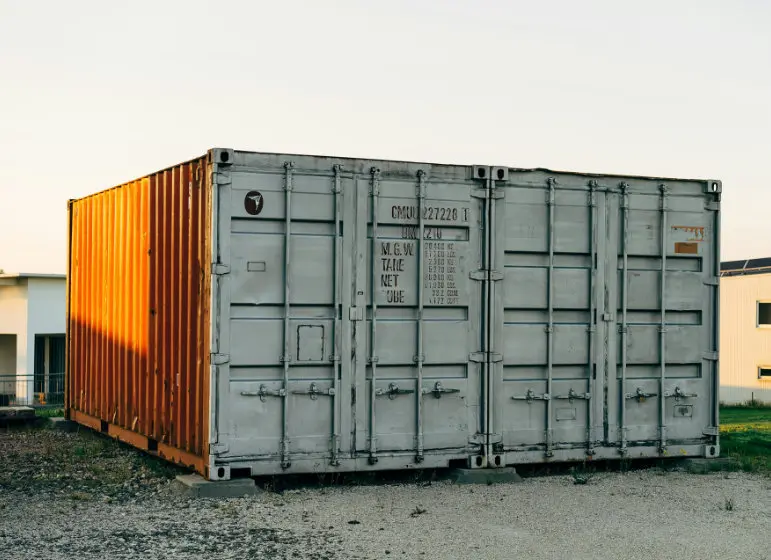
For many warehouses, freight depots, and manufacturing facilities, loading and unloading shipping containers with a forklift is part of everyday operations. While the task sounds straightforward, it can become difficult and potentially unsafe without the right equipment.
Shipping containers sit significantly higher than ground level, which means forklifts cannot easily drive straight inside without assistance. This is where the right material handling equipment—such as a shipping container ramp, forklift fork extensions, or a forklift work platform—can make a major difference. Using the correct equipment not only improves safety but also helps businesses load containers faster and more efficiently.
The Challenge of Forklift Access to Shipping Containers
A standard shipping container floor is typically about 1.2 metres above ground level. For a forklift operator, this height difference creates an obvious problem. Without a proper ramp or dock, the forklift simply cannot enter the container safely.
Some businesses attempt to work around this by manually transferring goods, using temporary ramps, or relying on dock infrastructure that may not always be available. These approaches can slow down operations and increase the risk of accidents.
For facilities that frequently handle container shipments, a purpose-built solution designed specifically for forklifts is the safest and most efficient option.
Why a Shipping Container Ramp Makes the Job Easier
A forklift shipping container ramp allows operators to drive directly from ground level into the container. The ramp bridges the height difference between the ground and the container floor, creating a smooth incline that forklifts can safely travel up and down.
These ramps are built to support heavy loads and provide a stable driving surface for forklifts carrying pallets or bulky freight. By allowing forklifts to access containers directly, businesses can significantly reduce the time required to load or unload goods.
If your operation regularly handles container deliveries, you can view purpose-built container ramps here.
Many warehouses find that investing in a reliable container loading ramp quickly improves productivity while also reducing manual handling.
The Basic Process of Loading a Container With a Forklift
When the right equipment is in place, loading a container with a forklift becomes a straightforward process.
Before starting, it is important to check that both the forklift and ramp are in good working condition. The ramp should be positioned securely against the container so it cannot move during operation. Taking a few moments to inspect the equipment helps ensure a safe loading process.
Once the ramp is secured, the operator can approach slowly and drive the forklift up the incline toward the container opening. Maintaining a controlled speed is important, especially when carrying heavy pallets or bulky goods. Keeping the load low while travelling also helps maintain stability.
Inside the container, goods should be placed evenly across the floor rather than stacking excessive weight in one area. Proper load distribution improves safety during transport and makes better use of the available space.
When Forklift Fork Extensions Are Useful
Some loads simply do not fit comfortably on standard forklift forks. Long or oversized materials may require extra support to remain stable during lifting and transport.
This is where forklift fork extensions can be extremely helpful. These attachments extend the length of the forks so that longer loads are properly supported. They are commonly used in warehouses that handle timber, steel, machinery components, or oversized pallets.
If your operation frequently handles larger items, you can see available options for purpose built forklift fork extensons here.
Using fork extensions allows operators to handle larger loads more safely and reduces the chance of loads shifting during container loading.
Accessing Containers for Inspections or Maintenance
In some situations, operators may need to access the interior or top of a container for inspections, stock checks, or maintenance work. When this happens, a forklift work platform provides a safer solution for lifting personnel.
A forklift work platform is designed to be securely attached to a forklift so workers can be raised to elevated areas while remaining protected by guardrails and safety features. These platforms are often used in warehouses and industrial environments where safe elevated access is required.
You can view the available aerial work platforms here.
Using the correct equipment helps ensure that maintenance and inspection tasks can be completed safely.
Safety Should Always Come First
Whenever forklifts are used to load shipping containers, safety should remain the top priority. Operators should always work within the rated capacity of the forklift and ensure loads are balanced before moving them.
Regular equipment checks are also important. Ramps, forklift attachments, and lifting platforms should be inspected before use to make sure they are in good condition. In Australia, safe forklift operation is guided by organisations such as Safe Work Australia, which provides workplace safety guidance for businesses and operators.
Proper training, good equipment, and careful operation all contribute to a safer workplace.
Choosing the Right Equipment for Container Loading
Businesses that regularly handle container freight can benefit greatly from investing in purpose-built material handling equipment. Tools such as forklift container ramps, forklift fork extensions, and forklift work platforms are designed to make everyday tasks safer and more efficient.
By allowing forklifts to access containers easily and handle larger loads with greater stability, these solutions help improve workflow while reducing the risks associated with manual handling.
If you are looking for reliable container loading equipment, you can explore our FAQs page for more information:
https://www.allhandlingsolutions.com.au/
With the right equipment in place, loading and unloading shipping containers becomes faster, safer, and far more efficient for any warehouse or logistics operation.